11 Aug 2026
Charting Interconnected Reward Routes in Mobile Table Games and Live Sports Wagering Platforms
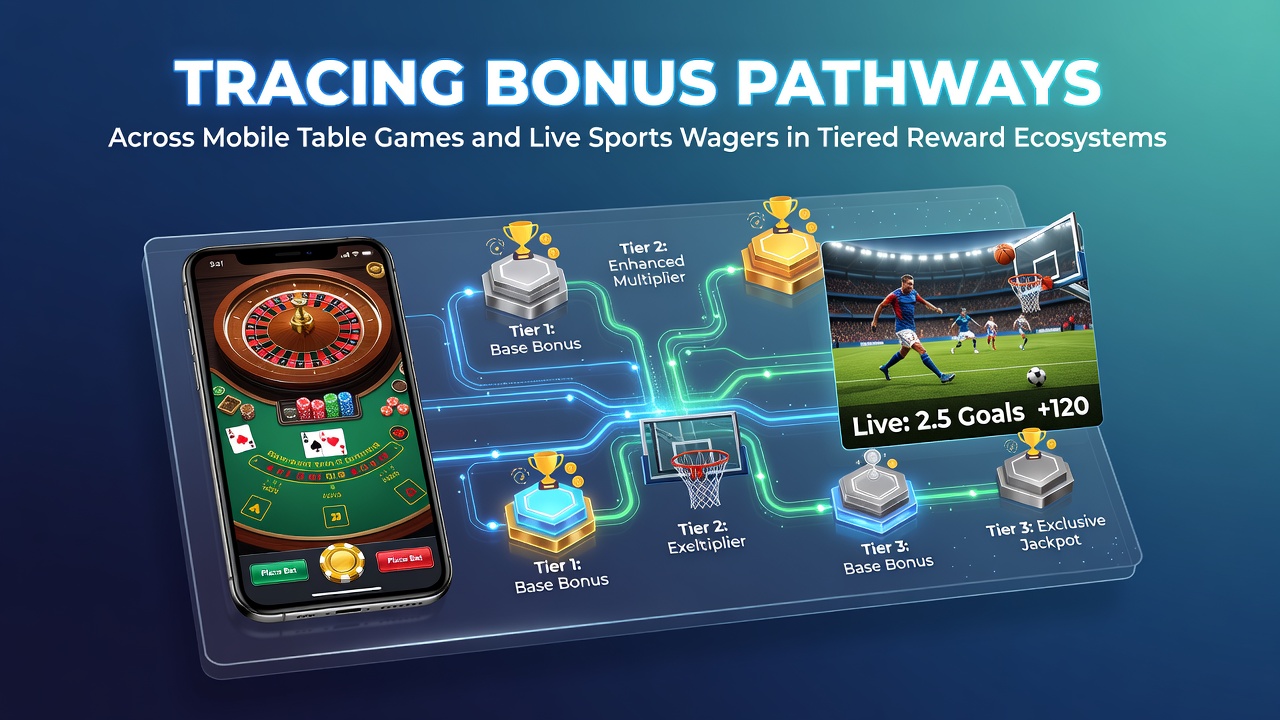
Operators in regulated markets track player activity across mobile table games and live sports wagers through unified loyalty systems that convert wagers into tier points and reward credits, and data from multiple jurisdictions shows these mechanisms operate on standardized conversion ratios that vary by game category and wager type.
Points accumulate from roulette spins, blackjack hands, and baccarat rounds at rates often set between one point per dollar wagered and five points per dollar depending on the title and operator policy, while live sports wagers on football, basketball, and tennis contribute points at comparable or slightly adjusted scales that account for odds and stake size.
Core Mechanics of Tiered Reward Accumulation
Players advance through bronze, silver, gold, and platinum levels when cumulative points reach operator-defined thresholds, and each tier unlocks higher redemption values for bonus credits along with accelerated earning rates that apply retroactively to ongoing activity. Research from state regulatory filings indicates that hybrid platforms combining table games with sports betting see average session lengths increase when points from one vertical transfer directly to the other without separate wallets or conversion fees.
Conversion tables published by several major operators list explicit multipliers, such as 100 table game points equaling one reward credit redeemable at 1 cent value, whereas sports wager points may carry a 1.2 multiplier during promotional windows tied to major leagues. These structures remain consistent across mobile interfaces that stream live dealer tables alongside real-time sports odds feeds.
Cross-Format Point Transfers and Wallet Integration
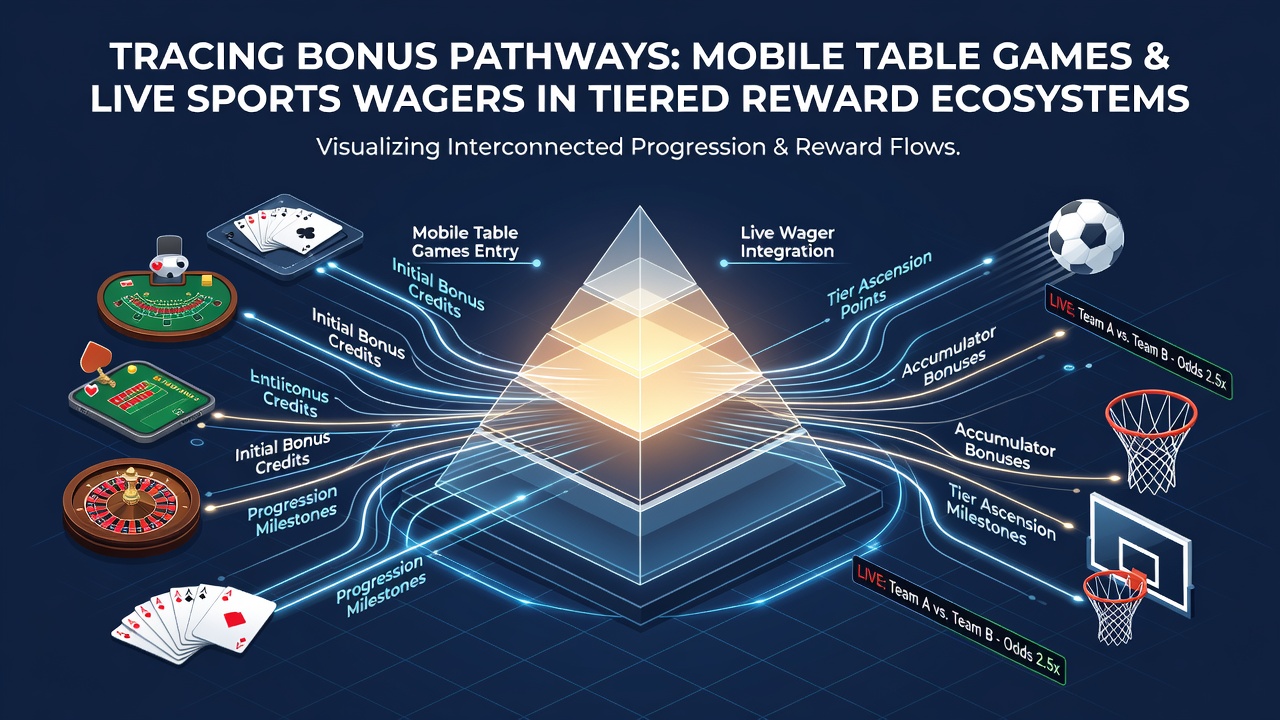
Instant wallet systems handle point transfers between table game sessions and sports betting accounts within the same application, and transaction logs from audited platforms confirm that transfers complete in under three seconds when users initiate them through the loyalty dashboard. Mobile applications record each transfer with timestamps, source game, and destination wager category, creating audit trails that satisfy regulatory requirements in states with active iGaming frameworks.
One documented case from a multi-state operator revealed that 68 percent of reward redemptions in August 2026 originated from combined table and sports activity rather than single-format play, according to internal metrics shared with licensing boards. This integration reduces friction for users who alternate between live dealer blackjack tables and in-game sports props during the same login session.
Regional Regulatory Influences on Reward Structures
State and provincial regulators require operators to publish clear point-earning schedules and redemption terms, and filings with the New Jersey Division of Gaming Enforcement along with reports submitted to the Alcohol and Gaming Commission of Ontario detail minimum payout percentages tied to loyalty programs. These disclosures show that reward credits derived from table games and sports wagers must maintain consistent value across all eligible games within a single ecosystem.
Industry analyses from the European Gaming and Betting Association note that cross-border operators align their tier structures with local currency and tax rules while preserving the same underlying point-to-credit ratios for mobile users. Data released in mid-2026 indicated steady growth in hybrid reward redemptions across these markets without corresponding spikes in dispute volumes.
Practical Examples of Pathway Utilization
Users who complete a sequence of live dealer baccarat hands followed by a same-session soccer parlay often receive tier progression updates that reflect both activities in a single statement, and platform dashboards display projected time-to-next-tier estimates based on current earning velocity. Observers at industry conferences have noted that these combined pathways encourage longer engagement periods because partial progress in one format carries forward when the user switches categories.
Operators update their point tables quarterly to reflect changes in game offerings or sports calendars, and users receive in-app notifications when multipliers activate for specific events such as championship finals or new table game releases. Records maintained by licensing authorities confirm that all such adjustments undergo compliance review before deployment.
Conclusion
Tiered reward ecosystems in mobile environments continue to link table game activity with live sports wagering through standardized point systems, instant transfers, and transparent tier thresholds that regulators oversee across multiple jurisdictions. Current figures from August 2026 demonstrate sustained usage of these interconnected pathways as operators refine conversion rates and wallet features to accommodate combined play patterns.