Digital Wallets Powering Cross-Game Loyalty Advances in Handheld Betting Platforms
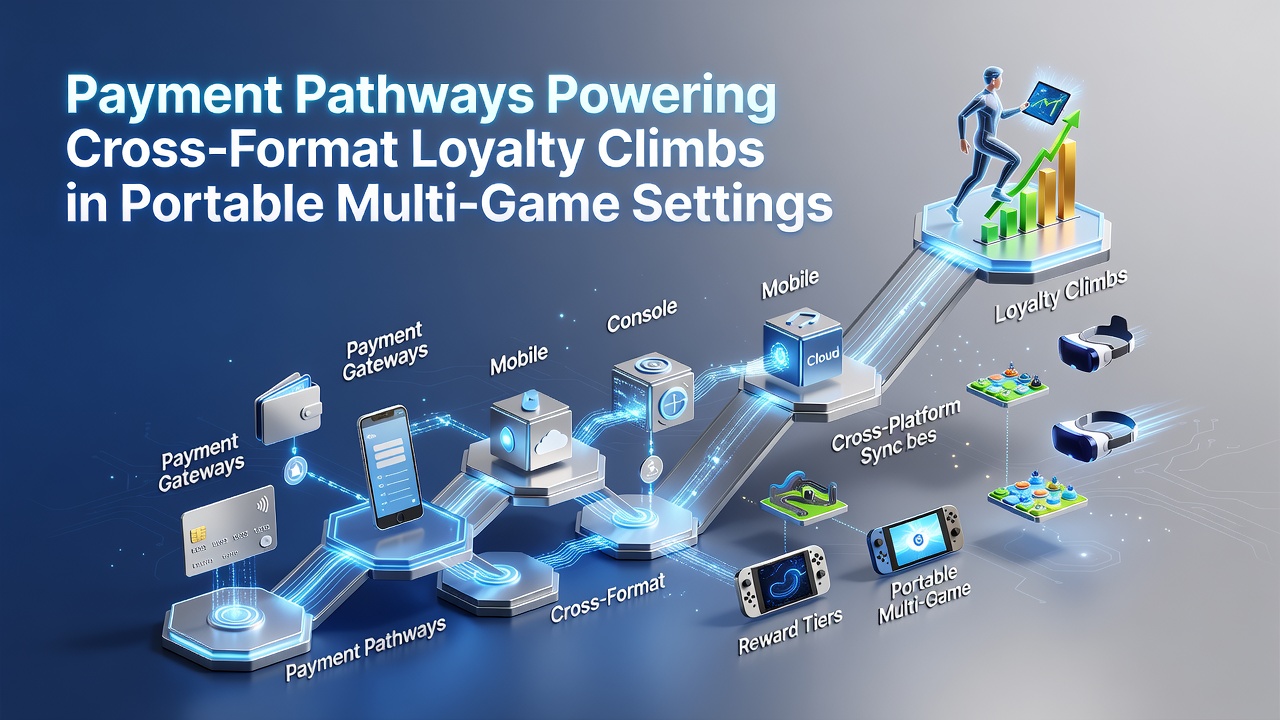
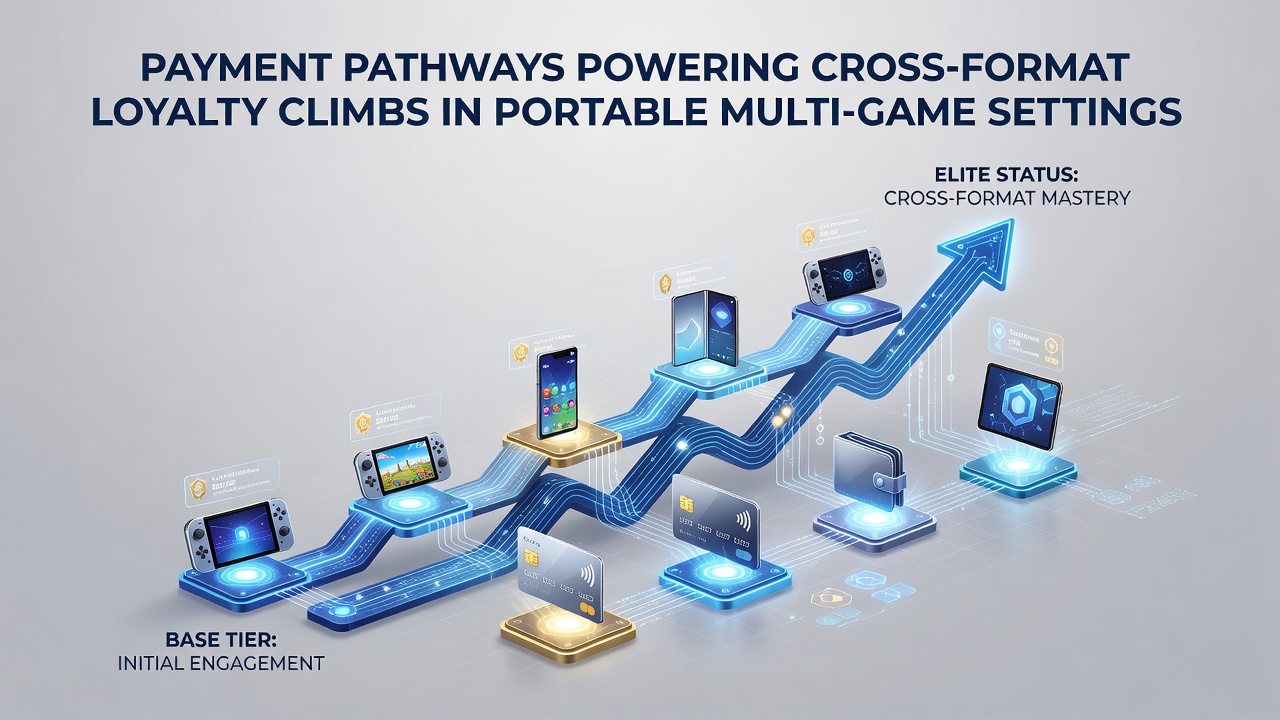
Payment systems now link activity across slots, sportsbooks, and live dealer tables within single mobile applications, allowing users to accumulate and redeem rewards without switching between separate accounts or platforms. Data from industry reports shows these integrated pathways track wagers, deposits, and session times in real time, converting them into unified loyalty tiers that apply across formats.
Unified Tracking Mechanisms
Operators deploy centralized ledgers that record every transaction type, whether a slot spin or a live soccer wager, and assign points based on standardized formulas. Researchers at gaming analytics firms note that this approach eliminates format-specific silos, so a player completing a roulette round receives the same tier progress as someone placing a parlay on a basketball game. Systems update balances instantly after each confirmed payment, reducing delays that previously interrupted momentum.
Role of Instant Settlement in Tier Progression
Instant settlement features handle deposits and withdrawals through e-wallets and linked bank transfers, feeding directly into loyalty algorithms that calculate status upgrades. Figures from regulatory filings in multiple jurisdictions reveal average tier climb times shortened by 25 to 40 percent when operators adopted same-day processing compared with batch methods used earlier. These pathways also support micro-transactions, enabling smaller, frequent activity that still registers toward milestones without minimum thresholds blocking progress.
One implementation in a major North American market uses API connections between payment processors and loyalty engines to flag qualifying wagers automatically. Users see point balances reflected within seconds on dashboard views that combine data from all game categories. This setup supports promotional multipliers applied uniformly, such as double points on live dealer sessions funded through verified wallets during specific windows.
Regional Examples and June 2026 Developments
In Michigan, where iGaming revenue exceeded three billion dollars in 2025, several platforms introduced wallet-linked loyalty bridges that carried points from mobile slots into live dealer blackjack and in-play sports markets. State reports indicate increased session frequency among users who maintained continuous tier status across formats. Similar patterns appear in Australian markets, where the Australian Communications and Media Authority documented wallet adoption rates above 70 percent among multi-game app users by early 2026.
June 2026 brought additional updates when several tribal operators in the western United States activated new settlement protocols compliant with tribal gaming compacts. These changes allowed loyalty points earned on portable devices to transfer into on-property redemptions at partner venues, extending digital progress into physical environments. Observers tracking these rollouts report reduced abandonment rates during cross-format sessions because payment confirmations arrive without manual intervention.
Security and Compliance Layers
Encryption standards and multi-factor authentication protect the transaction streams that feed loyalty databases, while regulatory bodies such as the Nevada Gaming Control Board require audit trails for every point-generating event. Compliance modules embedded in payment gateways automatically flag suspicious patterns, ensuring that rapid tier advances align with responsible gaming parameters set by operators. Academic studies from institutions including the University of Nevada, Las Vegas, have examined these controls and found they maintain data integrity without slowing legitimate user flows.
Future Integration Trends
Emerging standards from industry groups like the European Gaming and Betting Association outline frameworks for portable wallets to interface with loyalty systems across borders, provided local licensing rules are met. Pilot programs tested in 2025 demonstrated that cryptocurrency rails could supplement traditional methods, though adoption remains limited to jurisdictions that explicitly authorize such instruments. These developments continue to refine how payment speed influences sustained engagement across diverse game types on mobile interfaces.
Conclusion
Payment pathways currently serve as the connective tissue that converts activity in one game category into measurable progress in another, all within the constraints of portable devices. Continued refinement of settlement speeds and tracking accuracy, supported by data from regulatory and academic sources, sustains these cross-format loyalty structures as operators expand multi-game offerings.