Examining Loyalty Mechanisms That Bridge Digital Spinning Reels and Real-Time Dealer Engagements in Handheld Betting Interfaces
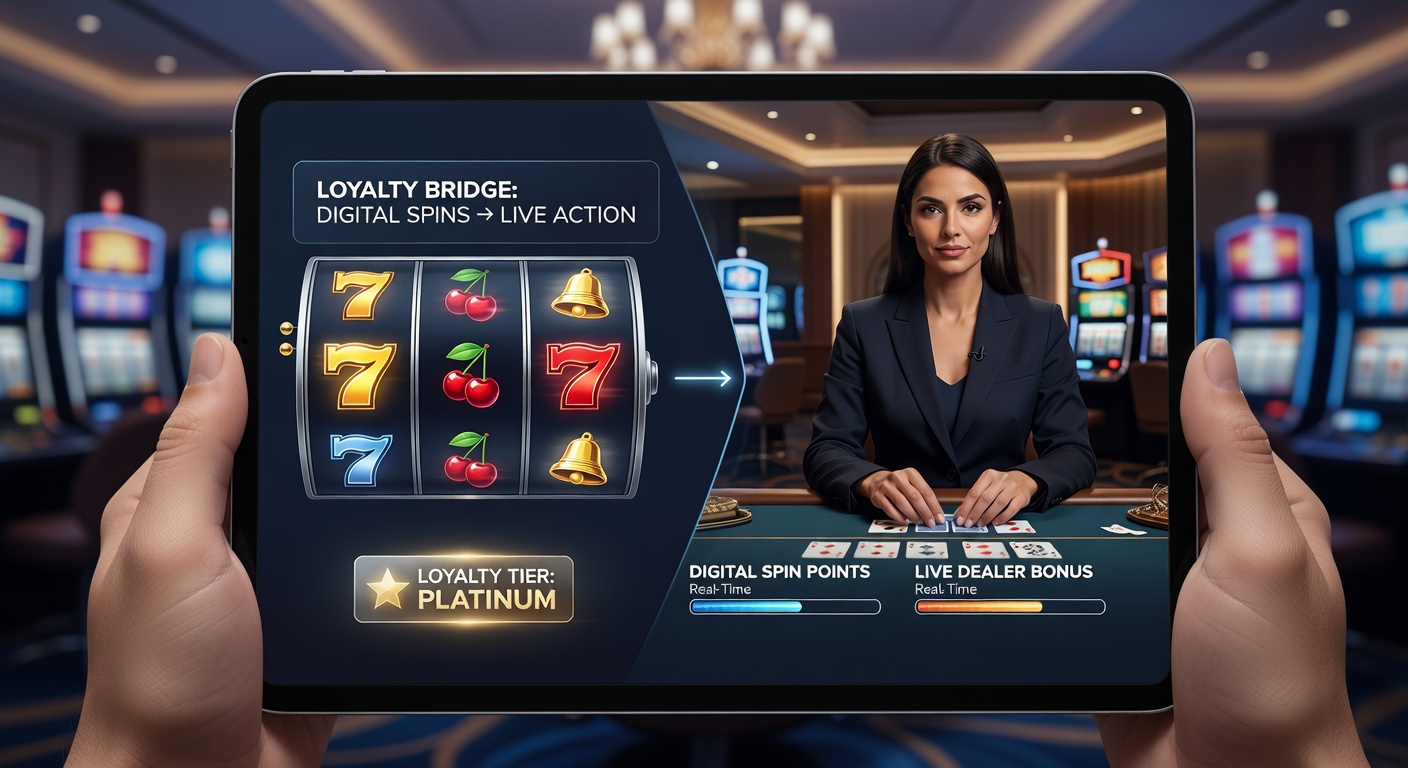
Handheld betting platforms have developed unified loyalty systems that connect digital spinning reels with real-time dealer sessions through shared point structures and tiered rewards. These mechanisms allow users to accumulate credits from automated reel games and apply them directly to live table interactions without separate accounts or resets. Data from multiple jurisdictions indicates that integrated programs increase session continuity across game types.
Core Components of Cross-Format Loyalty Tracking
Operators track activity through centralized ledgers that record spins on digital reels alongside decisions made during live dealer rounds. Points accrue based on wager volume and game-specific multipliers, then feed into a single balance visible in the mobile app. Researchers at institutions studying gambling behavior note that this approach reduces fragmentation between automated and interactive formats.
Tier advancement occurs when cumulative points reach defined thresholds, unlocking benefits such as reduced house edges on tables or accelerated cashback rates on reels. The system updates in real time, so activity from either game type contributes to the same progression meter. Observers note that seamless tracking encourages longer engagement periods across both categories.
Integration Points Between Reel Activity and Live Tables
Points earned during reel sessions convert into comps usable for live dealer tables through automated exchange rates set by the platform. For instance, a sequence of high-volatility spins might generate enough credits to cover a portion of a baccarat wager or blackjack insurance bet. This linkage appears in apps that maintain persistent user profiles accessible from any handheld device.
Real-time dealer engagements pull from the same loyalty pool, allowing participants to apply accumulated rewards mid-session. Platforms achieve this by syncing backend databases that monitor both random number generator outcomes and streamed table results. Evidence from regulatory filings shows operators in regulated markets have expanded these features to maintain compliance while expanding reward options.

Mobile Interface Design Supporting Unified Rewards
App developers embed loyalty dashboards that display reel performance metrics next to live table history within a single view. Navigation elements allow quick switches between automated games and streamed dealer sessions while preserving the active point balance. Touch-optimized controls facilitate rapid claims of tier bonuses without leaving the current game screen.
Push notifications alert users when reel activity has advanced a loyalty tier that affects upcoming live dealer options. These alerts include direct links to relevant tables or reel titles. Data compiled by industry groups such as the American Gaming Association reflects growing adoption of such interface elements in North American markets.
Regulatory Considerations Across Jurisdictions
State and provincial regulators require transparent reporting of how points transfer between game categories to prevent unauthorized inducements. In markets like New Jersey, filings with the Division of Gaming Enforcement detail the algorithms used for cross-format conversions. Similar oversight exists in Australian states where electronic gaming device regulations extend to mobile hybrids.
Operators must document audit trails that verify point integrity across reel and dealer environments. This documentation supports compliance checks conducted at regular intervals. Figures released by the Responsible Gambling Council in Canada highlight how standardized tracking supports both player protection measures and operational transparency.
Future Developments Anticipated by Mid-2026
Platform providers continue testing expanded reward bridges that incorporate additional live elements such as side bets during dealer sessions. These tests focus on maintaining mathematical fairness while increasing point utility. Analysts tracking handheld betting trends project incremental rollout of enhanced features through spring 2026 in established markets.
Conclusion
Loyalty mechanisms in handheld interfaces create functional links between digital spinning reels and real-time dealer engagements by unifying point systems and interface elements. Regulatory frameworks in multiple regions enforce transparency around these transfers. Ongoing platform updates aim to refine the connection without altering core compliance requirements.