How Emerging Regulatory Frameworks Shape Connections Between Digital Chance Interfaces and Prediction Markets Across State Lines
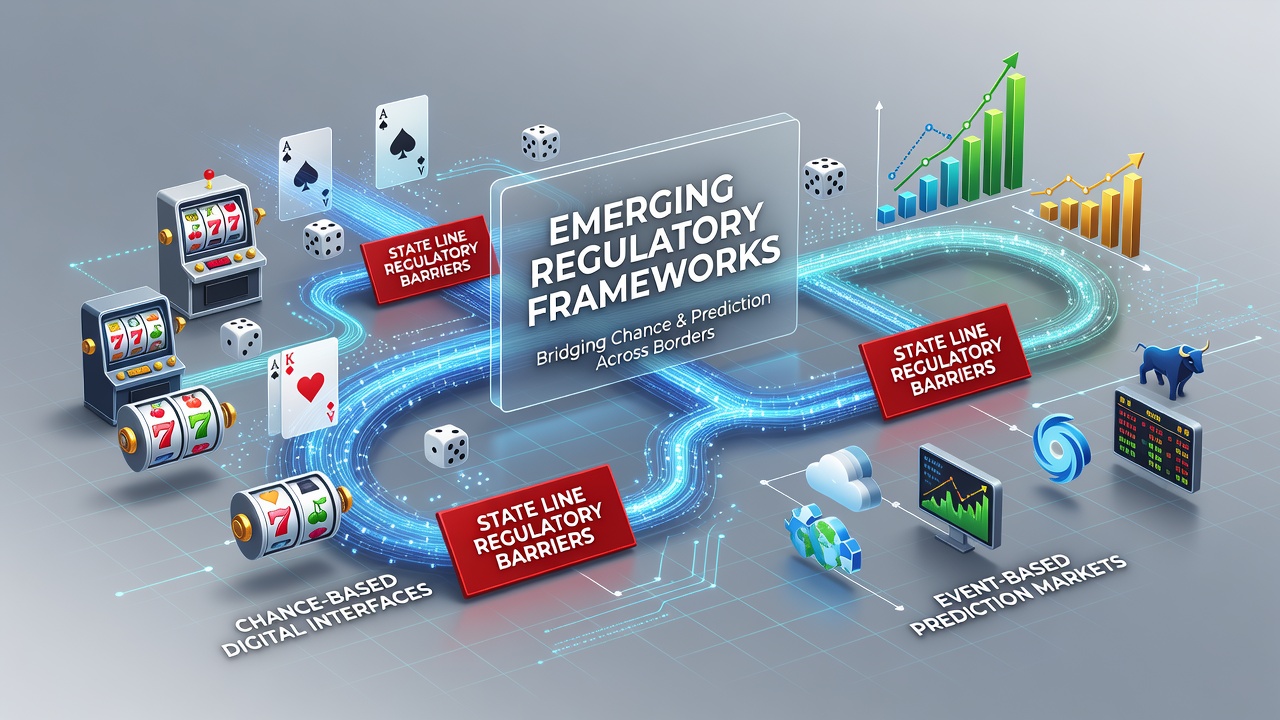
State regulators across the United States continue to refine rules that govern chance-based digital platforms and their potential ties to event-driven prediction markets, creating new compliance layers that operators must navigate when activities cross jurisdictional boundaries. These frameworks address how random number generator mechanics in one state might connect with outcome-based wagering in another, particularly as platforms expand digital access in June 2026.
Data from multiple state gaming commissions shows that operators now face stricter requirements for user verification when interfaces blend elements of probability-driven games with real-time event forecasting. Such rules aim to clarify whether a single account can participate in both formats without violating interstate commerce restrictions, and several jurisdictions have updated their licensing criteria accordingly since early 2025.
Interstate Compliance Challenges
Observers note that prediction markets focused on sports or political events often operate under different licensing categories than pure chance interfaces, yet emerging regulations increasingly require operators to demonstrate clear separation or approved linkage protocols. This distinction becomes critical when users located in one state access servers or settlement systems based in another, prompting states to adopt reciprocal agreements or data-sharing mandates that took effect in phases throughout 2025 and into 2026.
Those who track regulatory filings have seen states like New Jersey and Pennsylvania introduce specific clauses requiring real-time geo-fencing combined with transaction logging that flags any cross-format activity. Meanwhile, newer entrants such as North Carolina have aligned their rules with existing frameworks in neighboring states to reduce friction for multi-state operators, according to public records released in spring 2026.
Technical and Operational Impacts
Regulators have observed that chance-based digital interfaces must now incorporate audit trails capable of distinguishing random outcomes from event-based resolutions when both appear within the same user session. This requirement stems from efforts to prevent unauthorized aggregation of winnings across categories, and several states mandate third-party testing of these systems before approval for multi-state deployment.
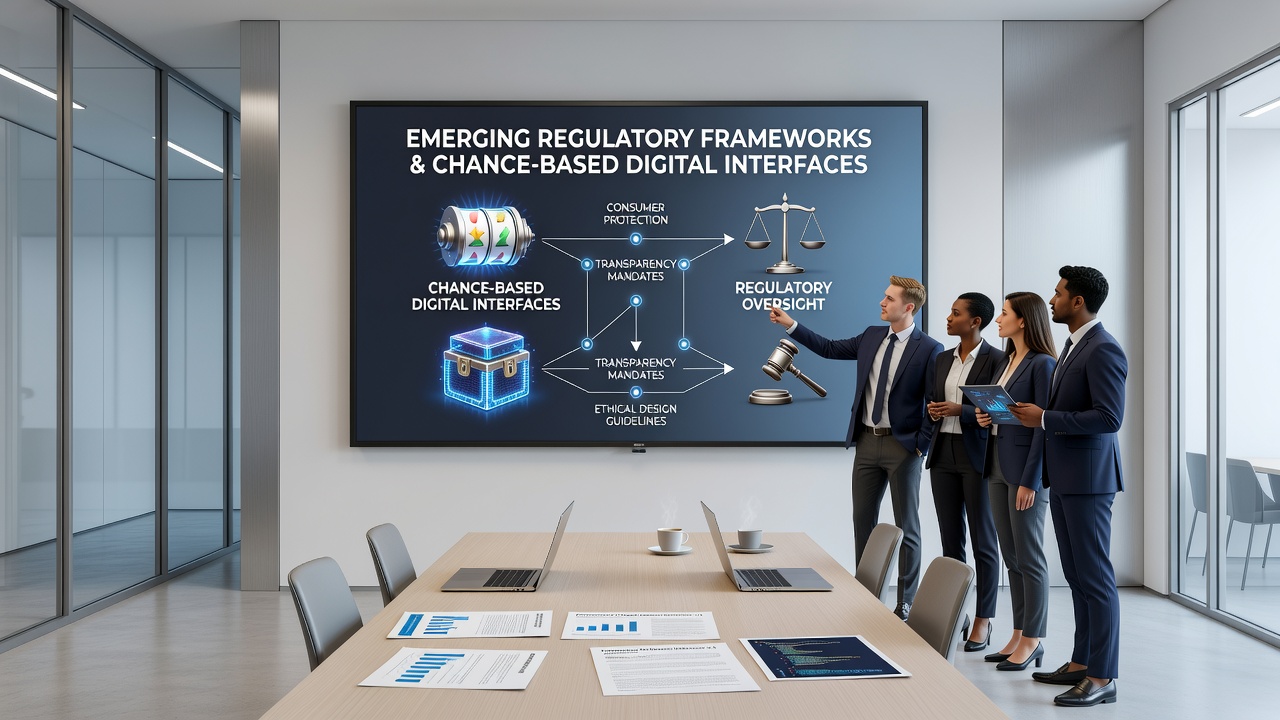
Industry reports indicate that platforms seeking to link these formats across state lines must implement API-level controls that enforce state-specific rules at teh point of transaction. For instance, one study from a research institution in Nevada highlighted how certain hybrid systems now route all event-based predictions through separate ledgers to satisfy Delaware and Michigan oversight simultaneously.
Recent Developments in Mid-2026
By June 2026, additional states had begun piloting unified reporting standards that capture both chance-driven and prediction-market activity within a single compliance dashboard. These pilots build on earlier models developed in Colorado and Iowa, where regulators required operators to submit aggregated data showing the volume of cross-border interactions while maintaining user privacy protections.
Figures released by state agencies reveal that enforcement actions related to improper linkages have prompted several platforms to revise their account structures, separating chance-based balances from event prediction wallets. This separation reduces the risk of regulatory violations when funds move between formats during interstate play sessions.
Broader Market Implications
Academic analyses from Canadian research centers have examined how similar regulatory approaches in provinces with established gaming rules influence cross-border digital access from U.S. states. These comparisons suggest that aligned verification standards can ease operational burdens for operators while still addressing concerns over market integrity and consumer protections.
One such examination, available through the Responsible Gambling Council, outlines data patterns in multi-jurisdictional environments without prescribing specific U.S. policy outcomes. Likewise, filings from the Australian gambling research network provide context on how event-based markets interact with chance interfaces under varying oversight regimes, offering reference points for American regulators evaluating their own frameworks.
Conclusion
Regulatory developments through mid-2026 continue to define the operational boundaries for connecting chance-based digital interfaces with event-based prediction markets when activities span multiple states. Operators respond by updating technical controls and reporting mechanisms to align with these evolving standards, while state agencies maintain focus on consistent enforcement across jurisdictions. The resulting environment emphasizes documented separation protocols and shared compliance data as core elements of lawful multi-state participation.