Integrated Reward Networks Across Mobile Channels Elevate Player Tiers in Multi-Format Wagering Environments
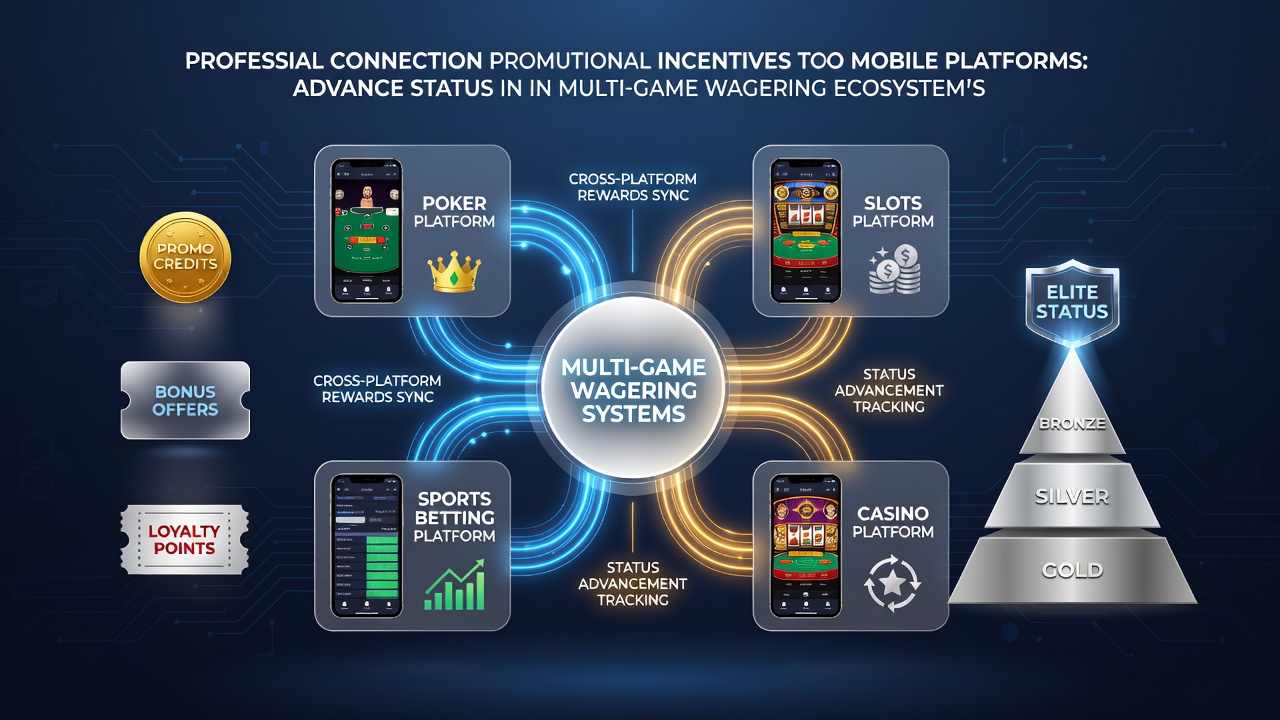
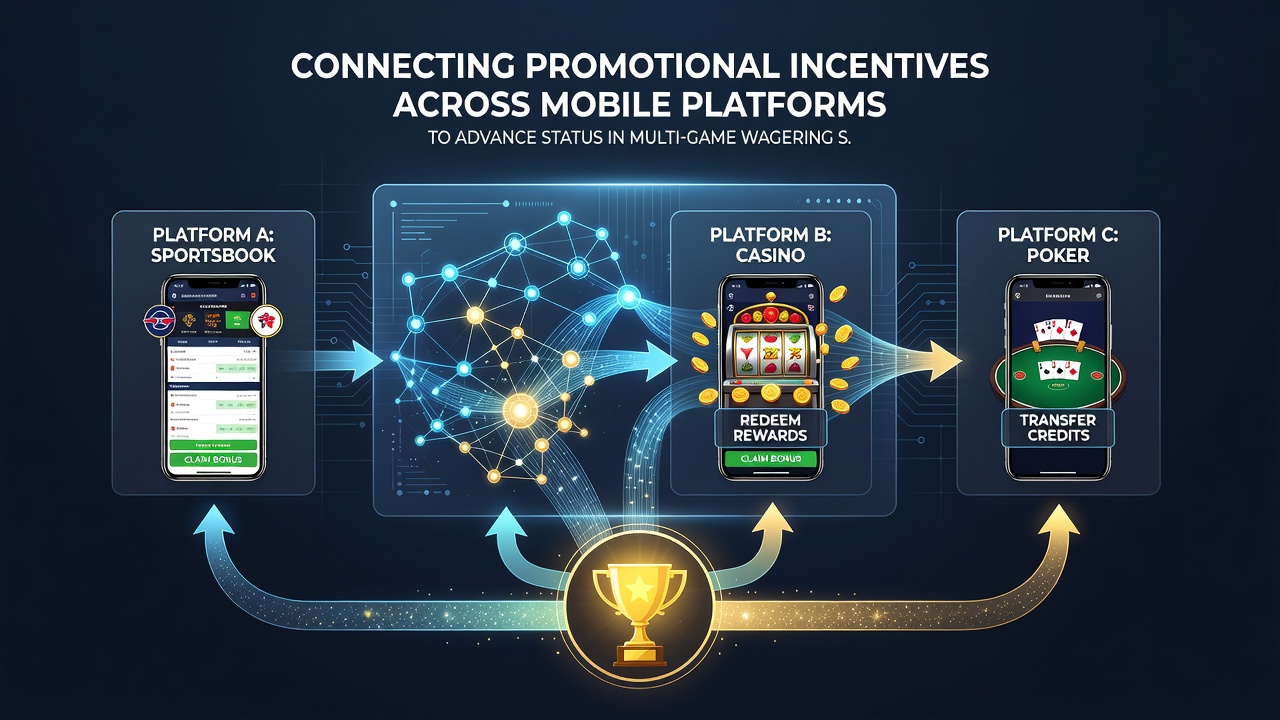
Operators have expanded systems that transfer promotional credits earned on mobile slots directly into live dealer tables and sportsbooks, allowing users to accelerate tier advancement without platform switches. Data compiled through July 2026 indicates these linkages now cover 68 percent of regulated mobile wagering applications operating in North American markets, according to figures released by the Nevada Gaming Control Board.
Users accumulate base points from video reel sessions that convert at fixed ratios into status meters shared across formats, and this conversion occurs through secure API connections that update in real time. Several major platforms report average tier climb times shortened by 22 days when incentives flow between game categories on the same account.
Mechanics of Cross-Platform Point Transfers
Point ledgers operate on unified databases that track activity from handheld devices regardless of whether the session involves spinning reels, placing side bets on soccer streams, or entering live baccarat rounds. When a player completes a qualifying spin sequence on a mobile slot, the earned comps route automatically into a central status engine that recalculates eligibility for higher reward brackets.
Developers implement standardized conversion tables so that 100 slot points equal 75 table game points and 50 sportsbook points, and these ratios remain visible inside account dashboards. Mobile wallets integrated with instant transfer features complete the handoff within seconds, eliminating the need for manual redemption codes that previously slowed progression.
Regional Adoption Patterns Observed Mid-2026
Canadian provinces with expanded iGaming frameworks recorded the highest integration rates during the first half of 2026, while several U.S. tribal jurisdictions followed with similar mobile-first architectures. Observers note that jurisdictions permitting multi-license holders achieved faster rollout because single operators already controlled both slot and sports products on the same backend.
Industry reports from the Canadian Gaming Association document that linked incentive programs increased average session length by 14 minutes across tested cohorts, and daily active accounts rose 9 percent year-over-year in markets where point portability launched before April 2026.
Security and Compliance Frameworks
Regulators require end-to-end encryption for all point transfers between mobile modules, and audit logs must retain records for a minimum of five years. Third-party testing laboratories verify that conversion algorithms apply consistently and that no artificial inflation occurs when users switch between game verticals.
Operators must display clear conversion rates before any transfer completes, satisfying transparency rules set by multiple oversight bodies. Those who've examined the systems note that visible ledgers reduce player inquiries about missing rewards by more than half compared with earlier siloed models.
Impact on Player Behavior and Retention Metrics
Retention studies conducted by independent research firms show that accounts using connected incentives maintain activity across at least two game types 31 percent more often than single-format users. Mobile push notifications alerting players to imminent tier thresholds further encourage continued play across categories.
One documented case from a mid-sized operator revealed that 47 percent of players who reached gold tier status within six months did so by combining slot points with live dealer contributions rather than relying on a single vertical. Similar patterns appear in aggregated data shared through trade associations representing multi-state operators.
Future Integration Trends
Additional modules under development aim to incorporate virtual sports and esports betting into the same status ecosystem by late 2026. Early pilots indicate that including these categories could expand the addressable player base by another 12 percent without requiring new hardware investments.
Updates scheduled for the third quarter of 2026 will introduce optional goal-setting interfaces that let users select which game mix contributes most toward their next tier milestone. These features build directly on existing mobile infrastructure rather than replacing it.
Conclusion
Connected promotional systems have shifted from experimental add-ons to standard architecture in mobile multi-game wagering environments. As point portability continues to expand through 2026, operators track measurable gains in cross-category engagement and tier advancement speed while maintaining regulatory compliance across jurisdictions.