Mapping Transaction Pathways That Link Portable Table Engagements With Athletic Event Predictions Through Varied Funding Channels
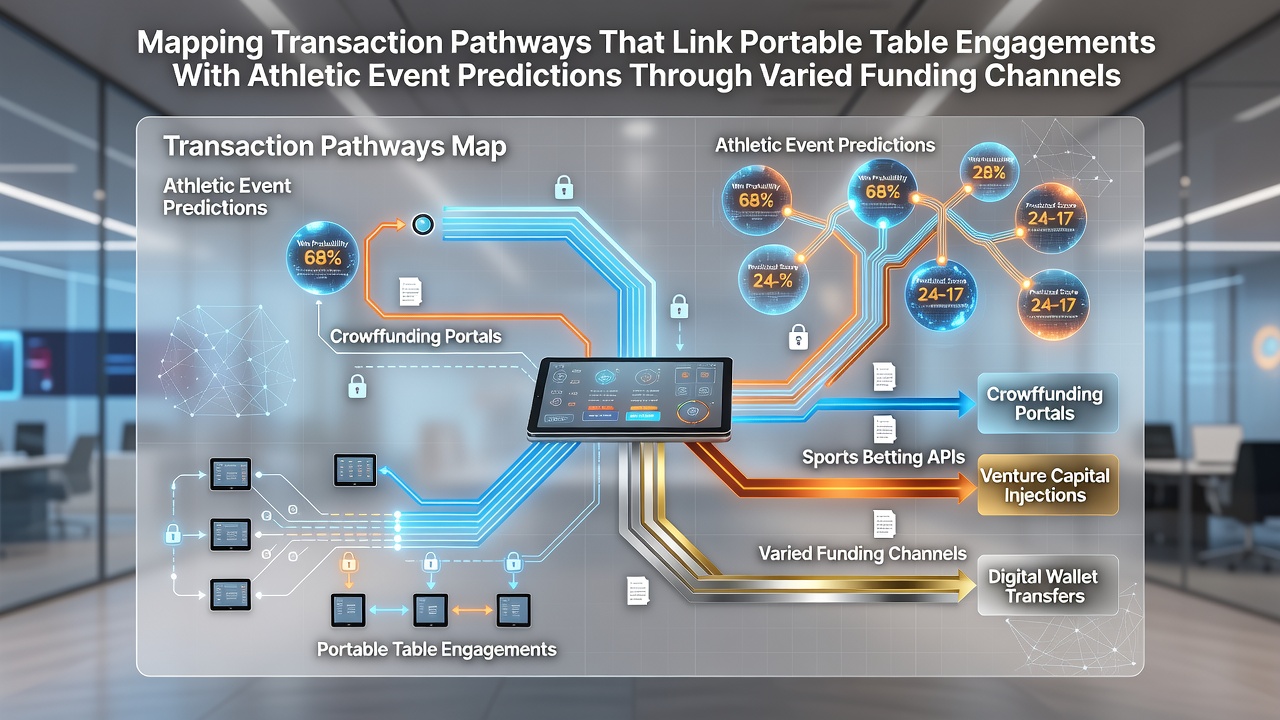
Transaction mapping in mobile gaming environments has drawn attention from analysts who track how funds move between portable table engagements and athletic event predictions. Platforms that support live dealer blackjack or roulette on handheld devices often integrate direct links to sports wagering modules, allowing users to shift balances without leaving the application. These connections rely on funding channels that include bank transfers, digital wallets, and prepaid cards, each creating distinct data trails that operators and regulators examine for compliance purposes.
Portable Table Engagements and Their Funding Structures
Portable table engagements refer to real-time card and table games accessed through smartphones and tablets, where players place wagers on virtual or live-streamed tables. Data from multiple jurisdictions shows that funding for these activities frequently originates from linked bank accounts or stored-value accounts within the same betting ecosystem. In June 2026, several North American operators reported increased volume in cross-format transfers, particularly when users moved winnings from table sessions into accounts designated for upcoming athletic events. Observers note that these movements occur through application programming interfaces that record timestamps, amounts, and source identifiers in centralized ledgers maintained by the platform providers.
Athletic Event Predictions and Linked Payment Routes
Athletic event predictions encompass wagers on outcomes such as game results, player statistics, and in-play developments during professional and collegiate competitions. Transaction pathways connecting these predictions to table game activity typically route through shared user profiles that maintain a single balance or multiple sub-accounts. Research conducted by the Australian Gambling Research Centre indicates that approximately 28 percent of active accounts in sampled markets demonstrated at least one transfer between table game modules and sports prediction interfaces during the first quarter of 2026. These transfers often utilize instant settlement methods that reduce latency between the two activity types while preserving audit records for each step.
Varied Funding Channels and Their Characteristics
Funding channels supporting these linked activities vary by region and operator preference. E-wallet services process a significant share of transfers because they support rapid movement between formats without requiring external bank verification for each transaction. Prepaid cards and cryptocurrency options appear in certain markets where regulatory frameworks permit alternative tender, creating additional layers in the transaction map. According to figures released by the Ontario Lottery and Gaming Corporation, e-wallet usage for combined table and sports activity rose steadily through spring 2026, while direct bank transfers remained more common for larger initial deposits that later supported both engagement types.
Analytical Approaches to Pathway Mapping
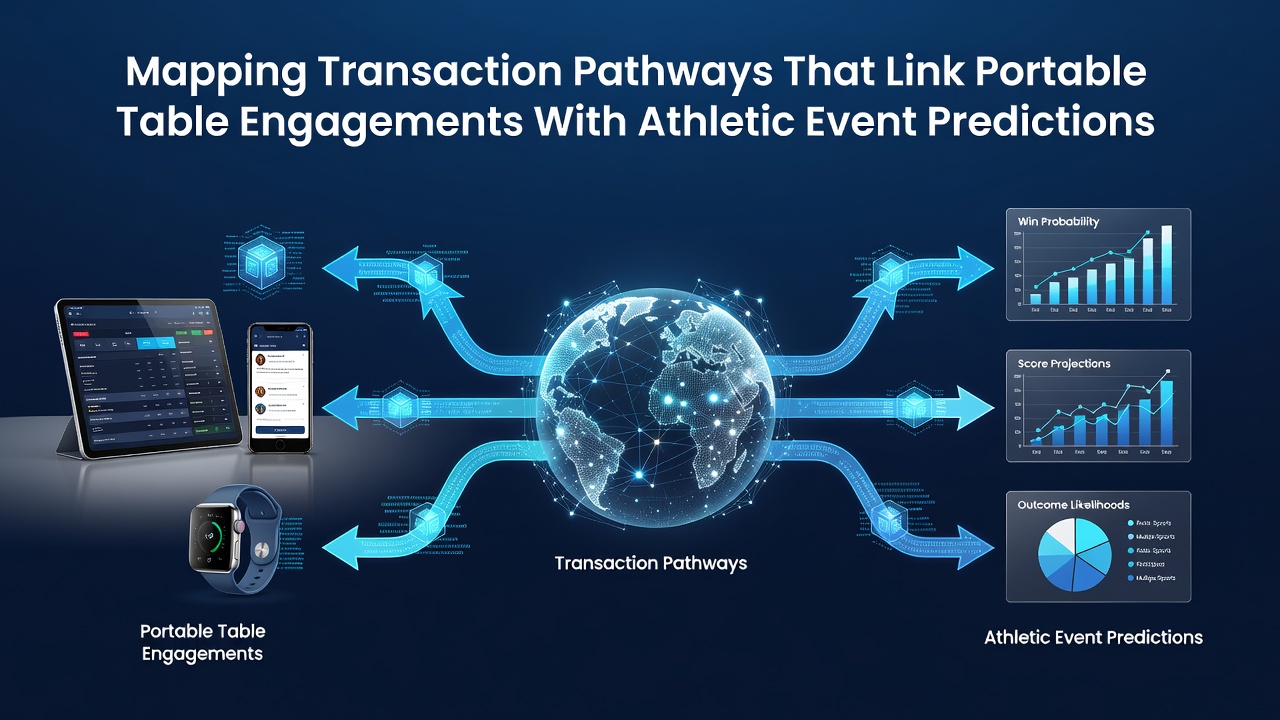
Analysts employ graph-based modeling techniques to visualize how funds travel across these channels. Nodes represent user accounts, game modules, and external payment processors, while edges capture the movement of value with associated metadata such as time of day and device identifiers. One study released by the University of Nevada, Reno in late May 2026 examined anonymized transaction logs from a multi-state operator and identified recurring patterns where table game wins preceded sports prediction deposits within narrow time windows. These patterns help regulators distinguish routine user behavior from activity that warrants further review under responsible gaming protocols.
Regulatory Considerations Across Jurisdictions
Regulatory bodies in different regions apply distinct requirements to the documentation of these pathways. Canadian provincial authorities, for example, mandate that operators maintain immutable records of all internal transfers for a minimum of seven years. In contrast, certain European frameworks emphasize real-time reporting of high-volume movements between game categories. Data compiled by the European Gaming and Betting Association reveals that operators investing in unified ledger systems have reduced reconciliation errors by measurable percentages when handling combined table and sports activity. Such systems also support the generation of user-level reports that detail funding sources and subsequent allocation across engagement types.
Technological Infrastructure Supporting the Maps
Backend systems that enable pathway mapping rely on secure databases capable of handling high-frequency updates from mobile applications. Encryption protocols protect transaction details during transmission, while access controls limit visibility to authorized personnel within compliance and analytics teams. Several platform providers have adopted distributed ledger elements to create tamper-evident logs of every funding movement, although adoption rates differ by market size and technological maturity. These infrastructures allow operators to generate compliance reports that satisfy multiple regulatory requests without duplicating data collection efforts.
Conclusion
Mapping transaction pathways between portable table engagements and athletic event predictions provides a structured view of how varied funding channels interact within integrated betting platforms. Records maintained by operators and examined by regulatory agencies document the flow of value across formats, supporting both operational efficiency and oversight objectives. Continued development of analytical tools and standardized reporting practices will likely refine the precision of these maps as activity volumes evolve through 2026 and beyond.